

Power outages are more than just an inconvenience. They shut off lights, Wi-Fi, heating systems - and potentially your home security. And here’s the uncomfortable truth: many break-ins happen during power outages, precisely because homeowners assume their security systems are down.
So the big question is simple but critical: When the power goes out, does your security system still protect you - or does it go dark too?
The answer depends on one thing: battery backup. But not all battery backups are created equal. Some keep you protected for hours, others barely last long enough to notice the outage.
Let’s dig into how battery backup really works, where systems fail, and what you need to ensure your home stays protected when the lights go out.
Why Power Outages Are a Real Security Risk
Power outages create the perfect storm for security threats:
- Homes go dark
- Neighborhood awareness drops
- Internet connections fail
- Alarm systems may shut down
Criminals know this. They assume alarms won’t work and response times may be slower. Without proper backup power, your home becomes more vulnerable exactly when you need protection the most.
What Is Battery Backup in a Security System?
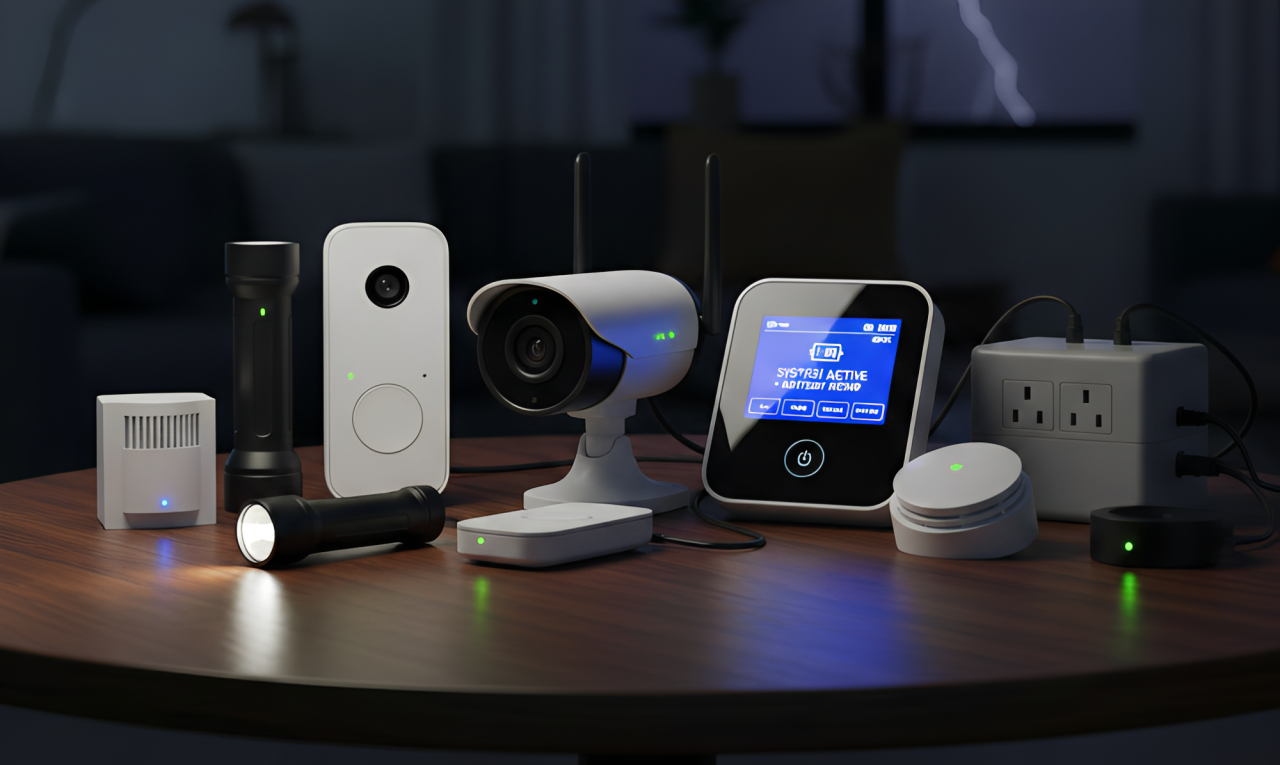
Battery backup is a built-in or external power source that allows your security system to keep running when electricity is unavailable.
Instead of shutting down, the system automatically switches to battery power and continues:
- Monitoring sensors
- Detecting motion or entry
- Sending alerts
- Communicating with monitoring centers (if connectivity allows)
If your system doesn’t have battery backup - or if it’s poorly maintained - it may fail silently.
How Long Does Battery Backup Usually Last?
Battery life varies depending on system design, usage, and battery quality.
Typical ranges include:
- 8–12 hours: Basic systems
- 12–24 hours: Mid-range systems
- 24–72 hours: Advanced or expandable setups
However, frequent alerts, live video streaming, and poor battery health can dramatically reduce runtime.
Why Some Systems Fail During Outages
Many homeowners assume their system has battery backup - until it doesn’t work.
Common reasons for failure include:
- Dead or aging batteries
- Batteries never replaced
- System installed without backup
- Backup covers only the panel, not connectivity
- High power draw from cameras
Battery backup isn’t “set it and forget it.” It needs attention.
Internet vs Power: The Overlooked Problem
Here’s a surprise for many homeowners: even if your security system has battery backup, it may still fail during an outage if your internet goes down.
Why?
- Most Wi-Fi routers lose power
- Internet service often fails with electricity
- Cloud-based systems rely on connectivity
Without a backup plan for communication, your system may detect events but fail to notify anyone.
The Role of Cellular Backup During Power Outages
Cellular connectivity is the unsung hero of outage protection.
With cellular backup:
- Alerts bypass your home internet
- Monitoring continues uninterrupted
- Burglars can’t disable communication by cutting cables
When paired with battery backup, cellular monitoring keeps your system alive and talking - even in extended outages.
Cameras During Power Outages: What Really Works
Cameras are the most misunderstood part of outage protection.
Plug-In Cameras
These usually stop working immediately when power goes out unless paired with:
- Internal batteries
- External battery packs
- Backup power sources
Battery-Powered Cameras
These continue recording but may:
- Reduce recording frequency
- Disable live streaming
- Prioritize motion-triggered clips
Cameras protect best when designed for low power consumption.
Indoor vs Outdoor Security During Outages
Indoor Security
Indoor sensors and alarms often remain functional longer due to lower power demands.
Outdoor Security
Outdoor cameras and lights may fail faster unless specifically designed with:
- Long-life batteries
- Solar charging
- Low-power modes
Outage-ready systems account for both environments.
What Happens During Extended Power Outages?
Short outages are one thing. Extended outages are another.
After 24–48 hours:
- Batteries begin to drain
- Cameras may shut down
- Alerts may stop entirely
This is where expandable battery systems, solar options, or generator support make a big difference.
How to Check If Your System Is Truly Outage-Ready
Don’t guess - verify.
Do This Today
- Check system specifications
- Test power outage mode manually
- Review battery age and health
- Confirm cellular backup availability
- Verify alert delivery during outage
A five-minute test can reveal serious weaknesses.
Battery Maintenance: The Silent Protector
Batteries degrade over time - even when unused.
Best practices include:
- Replacing batteries every 2–3 years
- Using manufacturer-recommended replacements
- Testing backup power quarterly
- Monitoring low-battery alerts
Ignoring battery maintenance is one of the most common reasons systems fail.
Generators and Home Security Systems
Home generators can extend protection dramatically - but only if configured properly.
What Generators Help With
- Powering control panels
- Keeping Wi-Fi routers online
- Supporting cameras and lights
What They Don’t Replace
- Battery backup (during generator delays)
- Cellular redundancy
Generators and batteries work best together - not as replacements.
Smart Features That Help During Outages
Modern systems reduce outage risk with:
- Power status alerts
- Battery health notifications
- Automatic power mode switching
- Low-power recording modes
These features give you visibility instead of false confidence.
Common Myths About Battery Backup
Let’s clear up a few misconceptions.
- “My system is wireless, so power outages don’t matter.” False. Wireless doesn’t mean powerless.
- “Cameras always record during outages.” Only if battery-powered and configured correctly.
- “Battery backup lasts forever.” It doesn’t - and usage matters.
Understanding reality prevents nasty surprises.
Real-World Scenarios Where Battery Backup Matters Most
Battery backup is critical during:
- Storms and hurricanes
- Wildfires and evacuations
- Grid failures
- Winter blackouts
- Intentional power cuts during crimes
If outages are common where you live, backup power isn’t optional - it’s essential.
How Much Backup Is Enough?
There’s no universal answer, but a good rule is:
- Minimum: 12 hours backup
- Recommended: 24 hours
- Ideal: 48+ hours with cellular connectivity
Think about how long outages typically last in your area.
What to Ask Before Choosing or Upgrading a System
Before committing, ask:
- How long does battery backup last?
- What components are covered?
- Is cellular backup included?
- How are low batteries reported?
- Can backup capacity be expanded?
If the answers are vague, that’s a red flag.
The Bottom Line: Will Your System Protect You During a Power Outage?
A home security system without reliable battery backup is only partially prepared - and partial protection isn’t protection at all.
When power goes out, the strongest systems:
- Switch seamlessly to battery power
- Maintain communication via cellular backup
- Continue detecting, recording, and alerting
- Give homeowners confidence instead of silence
If you want real peace of mind, make sure your system is built for the moments when everything else fails.
FAQs
Q. Will my security system work if the power goes out?
Yes - if it has battery backup and maintained batteries.
Q. How long do security system batteries usually last during outages?
Anywhere from 8 to 72 hours, depending on design and usage.
Q. Do cameras still record during power outages?
Only battery-powered cameras or those connected to backup power.
Q. Is cellular backup necessary during power outages?
Highly recommended, especially if your internet goes down with power.
Q. How often should I test my battery backup?
At least once every three months and after any major update or outage.