

When choosing a home security system, most people focus on cameras, sensors, and smart features. But there’s one critical element that often gets overlooked - the connection. Your system can have the best hardware in the world, but if it can’t communicate during an emergency, it’s basically a very expensive decoration.
That’s where the debate begins: cellular vs Wi-Fi monitoring. Which one is more reliable? Which one keeps your home safer when things go wrong? And which one actually makes sense for your lifestyle?
Let’s break it down in plain language, without tech jargon, so you can make a confident decision.
Why Monitoring Connectivity Matters More Than You Think
Home security monitoring is all about communication. When a door opens, motion is detected, or a sensor trips, your system must instantly send an alert - to you, to a monitoring center, or both.
If that signal doesn’t go through:
- Alarms may not trigger
- Emergency services may not be notified
- You may never know something happened
In other words, reliability isn’t optional. It’s the backbone of your entire security setup.
What Is Wi-Fi Monitoring in Home Security?
Wi-Fi monitoring connects your security system to the internet using your home’s Wi-Fi network. Most modern smart security systems rely on this method.
How Wi-Fi Monitoring Works
When a sensor or camera detects activity, it sends data through your Wi-Fi router to:
- Your smartphone app
- Cloud storage
- A professional monitoring center
If your internet is working, everything runs smoothly.
Advantages of Wi-Fi Monitoring
◉ Lower Monthly Costs
Wi-Fi systems usually don’t require extra data plans, making them more budget-friendly.
◉ High-Quality Video Streaming
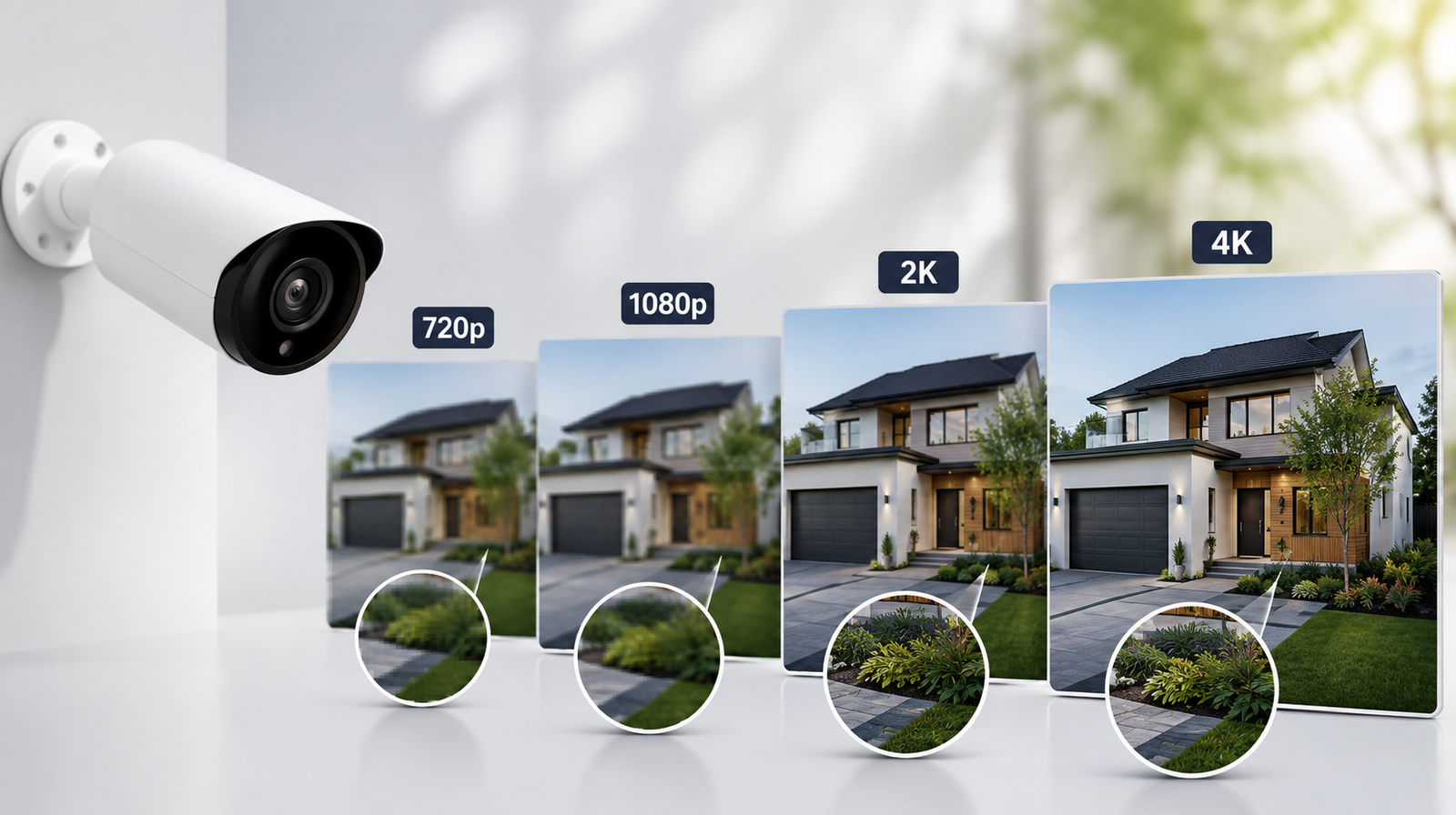
Wi-Fi supports HD and 4K video, which is great for indoor and outdoor cameras.
◉ Easy Smart Home Integration
Wi-Fi systems pair easily with smart lights, locks, and voice assistants.
◉ Simple DIY Setup
Most Wi-Fi systems are plug-and-play and renter-friendly.
Disadvantages of Wi-Fi Monitoring
◉ Internet Dependency
If your internet goes down, your system may stop communicating entirely.
◉ Power Outages Can Kill the Connection
Unless you have backup power for your router, Wi-Fi fails when electricity is out.
◉ Vulnerable to Network Issues
Slow speeds, router problems, or outages can affect performance.
◉ Potential for Hacking
While secure, Wi-Fi systems are still connected to the internet and require strong passwords and updates.
What Is Cellular Monitoring in Home Security?
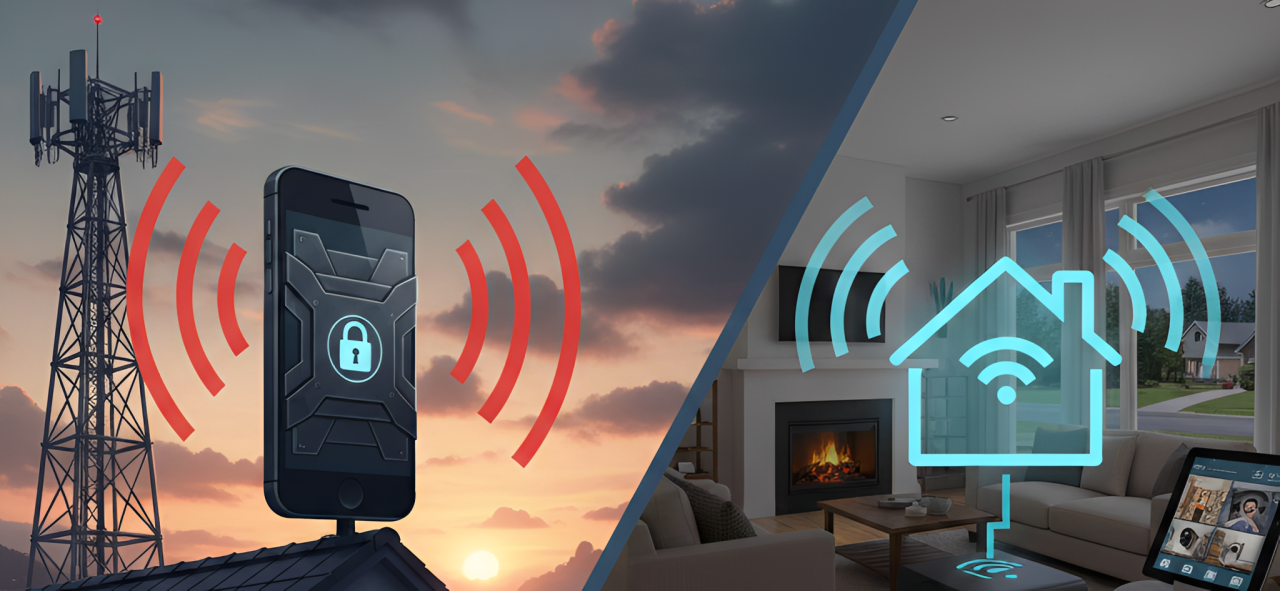
Cellular monitoring uses mobile networks - similar to your smartphone - to send alerts and data. Instead of relying on your home internet, it communicates through nearby cell towers.
How Cellular Monitoring Works
Your security system has a built-in cellular module with a SIM card. When an alarm triggers, it sends signals directly to a monitoring center using cellular networks.
No home internet required.
Advantages of Cellular Monitoring
◉ Works During Internet Outages
Even if your Wi-Fi goes down, cellular monitoring keeps working.
◉ More Reliable During Emergencies
Cellular networks are often prioritized during emergencies.
◉ Harder to Disable
Burglars can’t disable cellular monitoring by cutting internet cables.
◉ Ideal for Remote Areas
Cellular works where Wi-Fi isn’t available or reliable.
Disadvantages of Cellular Monitoring
◉ Higher Monthly Fees
Cellular monitoring requires a data plan, increasing monthly costs.
◉ Dependent on Cell Signal Strength
Poor cellular coverage can affect reliability.
◉ Limited Video Bandwidth
Cellular systems may not support continuous HD video streaming.
◉ Less DIY-Friendly
Some systems require professional installation or activation.
Reliability Comparison: Cellular vs Wi-Fi
◉ During Power Outages
- Wi-Fi: Usually fails unless backed by battery-powered routers
- Cellular: Often continues working with system battery backup
◉ During Internet Outages
- Wi-Fi: Stops communicating
- Cellular: Keeps sending alerts
◉ During Sabotage Attempts
- Wi-Fi: Vulnerable if cables are cut
- Cellular: Much harder to disable
When reliability is the priority, cellular generally has the edge.
Speed and Performance Differences
Wi-Fi systems are faster for:
- Live video feeds
- Cloud storage uploads
- Smart home automation
Cellular systems focus more on:
- Alarm signals
- Emergency alerts
- Status updates
Think of Wi-Fi as a highway for data and cellular as an emergency lane that always stays open.
Cost Comparison: What Will You Pay?
◉ Wi-Fi Monitoring Costs
- Lower monthly fees
- No separate data charges
- Possible internet upgrade costs
◉ Cellular Monitoring Costs
- Higher monthly monitoring fees
- Data plan included
- Often bundled with professional monitoring
Over time, Wi-Fi is cheaper - but cellular offers peace of mind.
Which Option Is Better for Homeowners?
Homeowners often prefer cellular monitoring because:
- It works during power and internet outages
- It provides better long-term reliability
- It’s ideal for larger properties
Many homeowners also choose dual-path systems for maximum protection.
Which Option Is Better for Renters?
Renters typically lean toward Wi-Fi monitoring because:
- It’s affordable
- Easy to install and remove
- Doesn’t require long-term contracts
If flexibility matters more than redundancy, Wi-Fi is often enough.
What About Dual-Path Monitoring?
Dual-path monitoring combines Wi-Fi and cellular in one system.
Why Dual-Path Is the Gold Standard
- Uses Wi-Fi as the primary connection
- Automatically switches to cellular if Wi-Fi fails
- Offers maximum reliability
It’s like having a backup generator for your security system.
How Environment Impacts Reliability
Your location plays a big role:
- Urban areas usually have strong Wi-Fi and cellular coverage
- Rural areas may struggle with Wi-Fi but have decent cellular
- Older buildings may interfere with Wi-Fi signals
Always test signal strength before committing.
Security and Privacy Considerations
Both systems are secure when properly configured:
- Use strong passwords
- Enable encryption
- Keep firmware updated
Cellular systems have a slight advantage since they’re not exposed to home networks.
Common Mistakes People Make
- Assuming Wi-Fi never goes down
- Ignoring cellular signal strength
- Choosing cost over reliability
- Not considering backup power
A little planning goes a long way.
So, Which Is More Reliable for Home Security?
If reliability is your top priority, cellular monitoring wins. It keeps working when Wi-Fi fails, during outages, and in emergencies.
If affordability, video quality, and smart features matter more, Wi-Fi monitoring is a solid choice - especially with a strong internet connection.
For the best of both worlds, dual-path monitoring offers unmatched reliability and peace of mind.
FAQs
Q. Is cellular monitoring more reliable than Wi-Fi?
Yes, especially during internet outages and emergencies.
Q. Does Wi-Fi monitoring stop working if power goes out?
Usually yes, unless you have battery backups for your router and modem.
Q. Is cellular monitoring worth the extra cost?
If reliability and uninterrupted protection matter to you, absolutely.
Q. Can I use both cellular and Wi-Fi together?
Yes, dual-path monitoring systems use both for maximum reliability.
Q. Which option is better for rural areas?
Cellular monitoring is often more reliable where internet access is limited.