

Home security is a topic everyone has an opinion about. You’ve probably heard advice from neighbors, family members, and even social media “experts” - but not all of it is accurate. In fact, many widespread beliefs about home protection are simply myths that can give homeowners a false sense of safety. Believing these misconceptions can leave your home vulnerable and put your family at risk.
This comprehensive guide uncovers the most common home security myths and explains the real facts behind effective home protection. Whether you're considering a new system or just want to understand how to secure your home properly, debunking these myths is the first step toward smarter, safer decisions.
Myth #1: “My Neighborhood Is Safe - I Don’t Need a Security System.”
Many people assume that break-ins only happen in “bad” neighborhoods, but statistics say otherwise. Crime can - and does - occur anywhere. In fact, burglars often target areas considered “safe” because they expect:
- Homes to be less guarded
- Residents to feel overconfident
- Neighbors to be less vigilant
- Police response times to be slower
Even the best neighborhood has vulnerabilities.
The Reality:
Every home, regardless of zip code, benefits from security layers such as cameras, sensors, and alarms. Criminals prefer easy targets, and a visible system immediately discourages them.
Myth #2: “Break-Ins Only Happen at Night.”
Thanks to popular media, many imagine burglars creeping around in the dark. But the truth is surprising: most break-ins happen during the day, typically between 10 a.m. and 3 p.m. Why? Because homeowners are at work, kids are at school, and the house is empty.
A quiet daytime street gives burglars the perfect cover.
The Reality:
Home security should protect your property 24/7, not just at night. Motion sensors, cameras, and alarms offer round-the-clock surveillance - not limited to darkness.
Myth #3: “A Dog Is Enough to Protect My Home.”
Dogs can certainly be protective, and many will bark at strangers. But relying on a pet alone is a risky strategy. Even large breeds can be:
- Distracted
- Bribed
- Confined to one room
- Overpowered
- Away from the door when someone breaks in
Burglaries happen quickly - most last less than 10 minutes - which makes a dog's natural alertness helpful but not foolproof.
The Reality:
A dog is a great addition to your home’s security, not a replacement for alarms, sensors, and monitoring services. A combined approach is always safer.
Myth #4: “Security Systems Are Too Expensive.”
This myth used to be true… decades ago. Today’s home security industry is highly competitive, offering options for every budget. You can choose:
- DIY systems
- Monthly monitoring subscriptions
- Affordable cameras
- Flexible smart devices
- Scalable equipment
You no longer need thousands of dollars or professional installation to secure your home.
The Reality:
Modern home security is incredibly cost-effective. You can start small - with a smart doorbell or motion sensor - and expand as needed.
Myth #5: “If Someone Really Wants to Break In, They Will.”
Some homeowners feel powerless, believing determined criminals can always find a way in. But this ignores a key fact: most burglaries are opportunistic, not highly planned operations.
Burglars look for easy, fast, low-risk targets.
The Reality:
Good security measures dramatically reduce your risk. Even basic deterrents - like cameras or visible signage - make a criminal think twice. Most intruders won’t risk tripping alarms or being recorded.
Myth #6: “Cameras Alone Will Stop Intruders.”
Cameras are valuable, but they are only part of a strong system. A camera records what happens, but by itself, it doesn’t:
- Trigger an alarm
- Notify emergency services
- Stop someone from entering
- Secure windows or doors
Many homeowners assume cameras are enough, but without sensors or monitoring, they’re reactive - not preventative.
The Reality:
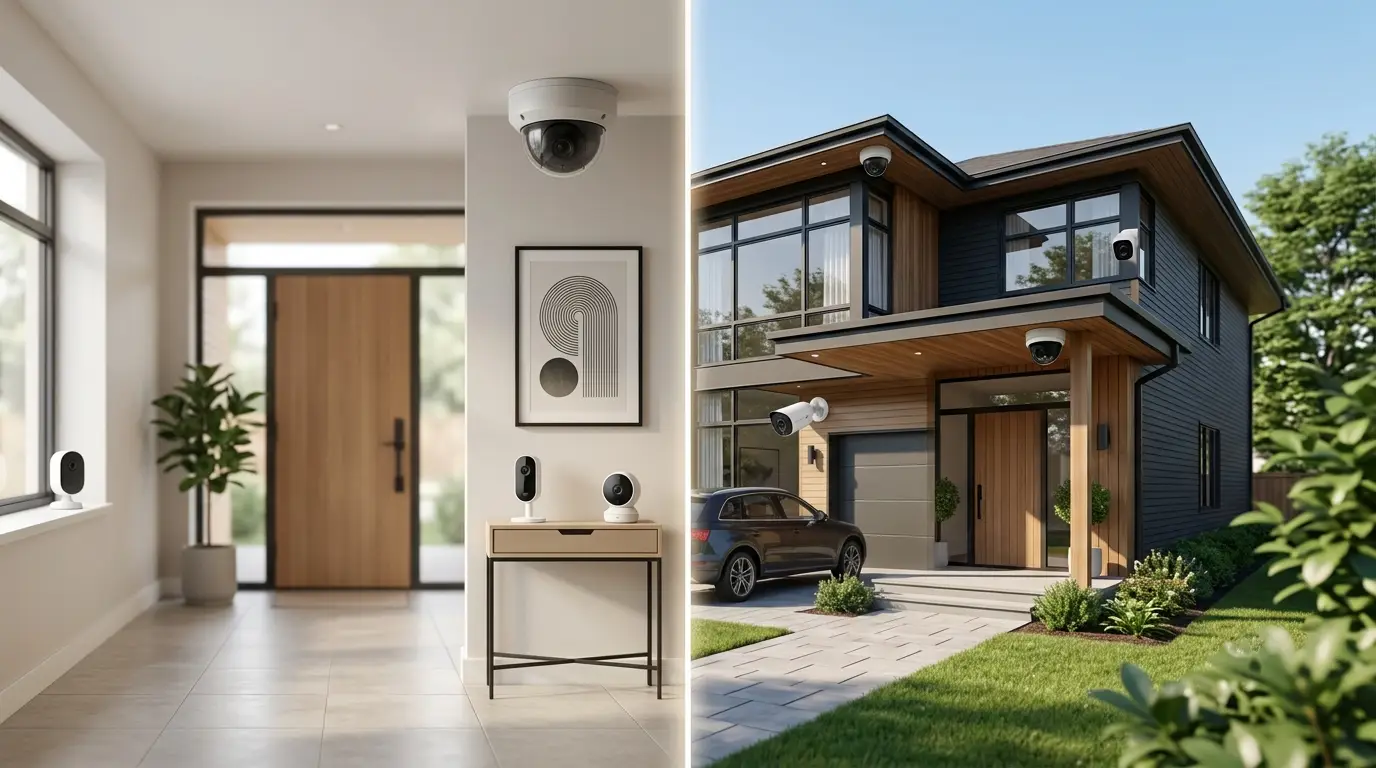
For real protection, combine cameras with door/window sensors, motion detectors, and professional monitoring for rapid response.
Myth #7: “Smart Home Devices Are Not Secure.”
Smart home tech - like smart locks, doorbell cameras, and automation - has exploded in popularity. But some people fear these devices are easily hacked.
While hacking is a possibility, it is rare when devices are used responsibly.
The Reality:
Smart home devices are safe when you:
- Use strong Wi-Fi passwords
- Enable two-factor authentication
- Update firmware regularly
- Choose reputable brands
Today’s devices are designed with robust encryption and security protocols.
Myth #8: “Burglars Always Enter Through the Front Door.”
Believe it or not, intruders enter homes in many different ways. While the front door is common, burglars also frequently use:
- Back doors
- Ground-floor windows
- Garage doors
- Unlocked side entrances
- Sliding glass doors
Focusing on only one entry point leaves vulnerabilities.
The Reality:
A comprehensive system protects all access points - not just the front door.
Myth #9: “Alarm Systems Are a Hassle to Use.”
Gone are the days of complicated keypads and confusing alerts. Today’s systems are designed to be simple and user-friendly. Most are controlled through:
- Mobile apps
- Voice assistants
- Pin pads with intuitive designs
You can arm or disarm your home from anywhere.
The Reality:
Modern systems are designed for convenience and ease - far simpler than older alarm models.
Myth #10: “I Only Need Security When I’m Away.”
You might feel safest at home, but break-ins can still occur when you're inside - especially during the day. Criminals sometimes assume no one is paying attention or think they can grab items quickly.
The Reality:
Security systems increase safety both when you're home and when you’re away. Features like:
- Panic buttons
- Smart locks
- Indoor cameras
- Alarm triggers
…help protect your family at all times.
Myth #11: “My Insurance Covers Everything If I Get Robbed.”
Home insurance is important, but it doesn’t erase the emotional or financial burden of a burglary. Policies often include limitations, exclusions, and caps.
Some items - like jewelry or electronics - may require add-on coverage.
The Reality:
Security systems are a frontline defense that prevent theft in the first place. In many cases, insurance companies even offer discounts for having them.
Myth #12: “A Security Sign Alone Will Stop Thieves.”
A fake or real security sign might deter some criminals, but experienced burglars can recognize outdated logos or systems that aren’t active. Relying only on signage provides no backup if someone decides to test your home.
The Reality:
Signs are helpful - but only when backed by real, functioning equipment.
Myth #13: “It Won’t Happen to Me.”
This is one of the most dangerous mindsets. Many victims of burglary believed exactly this before their home was targeted.
Criminals look for:
- Homes without visible cameras
- Unlocked doors
- Empty driveways
- Dark entryways
- Easy escape routes
If your home appears vulnerable, you’re at risk.
The Reality:
No home is immune. Taking proactive steps today significantly reduces future danger.
Conclusion
Understanding the truth about home security is essential for making informed decisions that protect your family, property, and peace of mind. The myths we often hear can create a false sense of safety, leaving critical vulnerabilities wide open. With today’s modern and affordable security solutions, there’s no reason to rely on outdated beliefs.
By embracing smart technology, layered protection, and responsible planning, you can dramatically reduce the chances of a break-in and enjoy a safer, more secure home environment.
FAQs
Q. Is a home security system really necessary?
Yes. Homes with security systems are significantly less likely to be targeted by intruders. Visible systems deter crime.
Q. Do burglars only strike at night?
No. Most break-ins happen during the day when residents are at work or school.
Q. Are security cameras enough on their own?
Security Cameras help, but a full system - with sensors, alarms, and monitoring - offers far better protection.
Q. Are dogs a reliable alternative to security systems?
Dogs may alert you to danger, but they cant replace sensors, alarms, or emergency response services.
Q. Is home security too expensive?
Not anymore. Modern systems are flexible, affordable, and scalable to fit different budgets.