

Choosing a home security system is no longer a simple decision. Today, you’re not just choosing between brands - you’re choosing between two completely different approaches to protecting your home: DIY security systems or professionally monitored systems.
Both can keep your home safer. Both offer smart features, cameras, and alarms. And both continue to grow more advanced every year.
But the real question is:Which one matches your lifestyle, budget, home layout, and expectations for safety?
This complete guide breaks everything down plainly, from installation and costs to emergency response, reliability, and the red flags to watch for. After reading, you’ll know exactly which option suits you best.
What Exactly Is a DIY Home Security System?
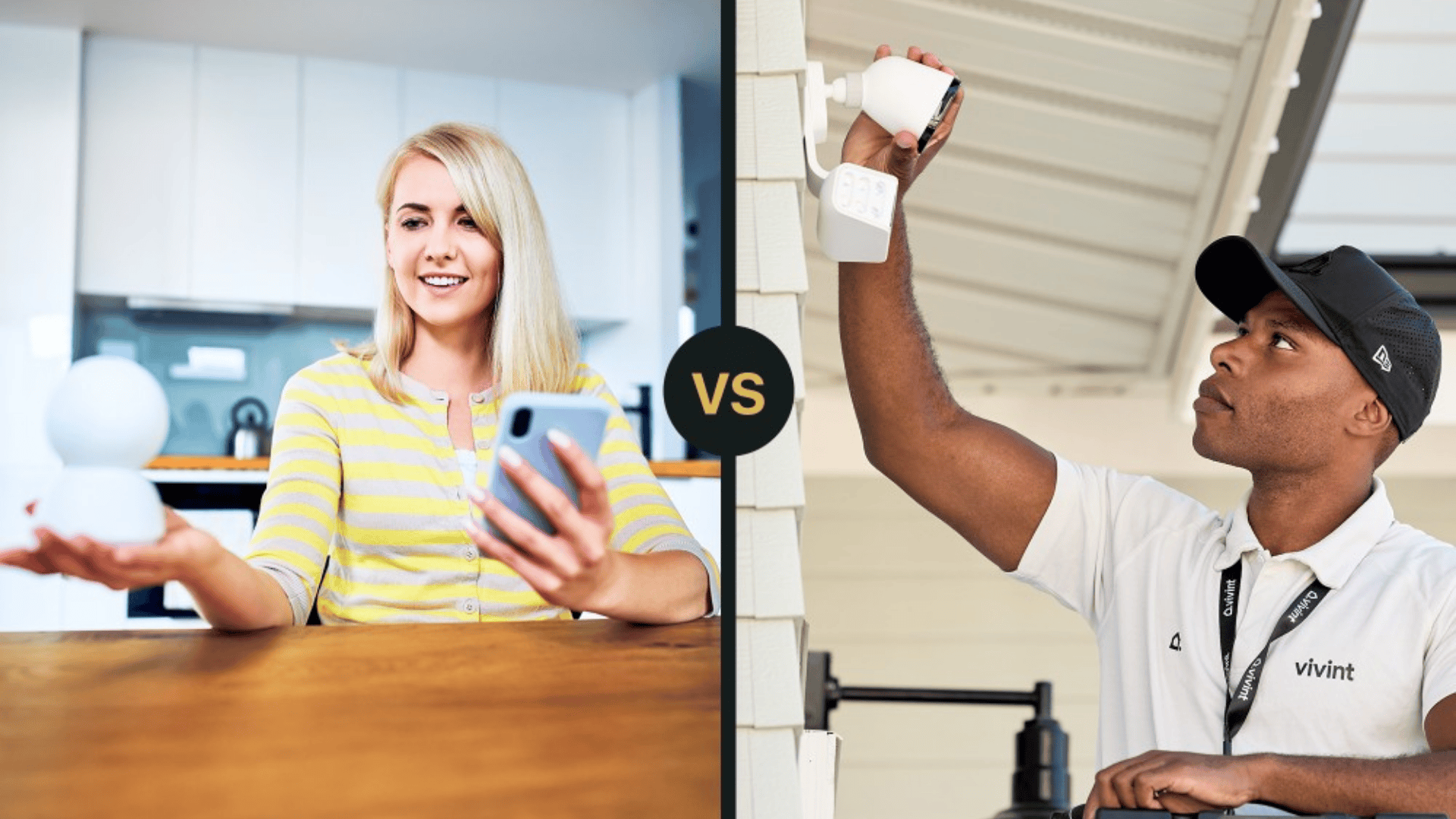
A DIY (Do-It-Yourself) system is installed by you, managed by you, and often monitored by you. You order the equipment, set it up, and decide how alerts are handled.
How DIY Home Security Works
- You install sensors, cameras, and alarms yourself.
- You receive smartphone alerts if something triggers a sensor.
- You choose whether or not to call emergency services.
- Some brands offer optional paid monitoring.
Brands like Ring, SimpliSafe, Wyze, and Aqara dominate the DIY market, offering easy-to-install devices that work right out of the box.
Advantages of DIY Home Security Systems
1. Lower Upfront Cost
DIY systems typically cost far less than professionally installed ones. There are no technician fees, no activation fees, and often no long-term contracts.
2. Simple, Fast Installation
Most systems are wireless and come with peel-and-stick sensors. You can set everything up in under an hour.
3. No Contracts
DIY brands often have optional month-to-month monitoring rather than multi-year agreements.
4. Total Flexibility
You choose:
- What equipment to buy
- How much to install
- Whether you want monitoring
It’s entirely customizable.
5. Perfect for Renters
Because devices are wireless and removable, they’re ideal for apartments and rentals where drilling isn’t allowed.
6. Easy to Move
Moving? Pick up the equipment and reinstall in your new home.
Disadvantages of DIY Home Security
1. You’re the First Responder
If you sleep through a notification or miss an alert while traveling, the system cannot call emergency responders for you—unless you pay for optional monitoring.
2. User Error Is Common
Improper sensor placement or incorrect settings can reduce protection or lead to false alarms.
3. Equipment Quality May Vary
DIY devices are generally not as robust as professional-grade systems.
4. Internet Dependence
If your Wi-Fi goes down, many DIY systems stop working or lose features.
5. Limited Integration
Some brands are closed ecosystems, meaning not all smart devices are compatible.
What Is a Professionally Monitored Home Security System?
A professionally monitored system includes professional installation and 24/7 monitoring by trained agents. Brands like ADT, Vivint, and Brinks specialize in this offering.
How Professional Monitoring Works
- A technician installs your entire system.
- The monitoring center receives real-time alerts.
- They contact you AND emergency services immediately.
- You stay informed—but professionals manage the emergency response.
This hands-off approach offers strong peace of mind.
Advantages of Professional Monitoring
1. Fast & Reliable Emergency Response
If an alarm goes off, the monitoring center acts instantly—even if you’re unreachable. This can make a critical difference during break-ins, fires, or medical emergencies.
2. Professional Installation
Experts ensure:
- Sensors are placed correctly
- Cameras cover every angle
- Networks are stable
- Equipment is calibrated properly
This guarantees maximum reliability.
3. Higher-Grade Equipment
Professionally installed systems often feature:
- Longer-range sensors
- Encrypted communication
- Better cameras
Industrial-grade reliability
4. Ideal for Larger Homes
Big homes require strategic planning—something professionals excel at.
5. Additional Security Services
Many providers offer:
- Video verification
- Smart home automation
- Panic buttons
- Environmental monitoring (smoke, CO, leaks)
Disadvantages of Professional Monitoring
1. Higher Cost
Installation, activation, and monthly monitoring fees can add up quickly.
2. Contracts Are Common
Many companies require 24–36 month contracts with steep cancellation fees.
3. Less Flexibility
Adding or moving devices often requires a technician visit—and more cost.
4. Not Ideal for Renters
Equipment is semi-permanent and may involve drilling or wiring.
Side-by-Side Comparison: DIY vs. Professional Monitoring
| Feature | DIY System | Professionally Monitored System |
| Upfront Cost | Low | Medium–High |
| Monthly Fees | Optional or low | Higher |
| Installation | Self-installed | Expert technician |
| Monitoring | You monitor alerts | 24/7 professional monitoring |
| Emergency Response | Manual; user must call | Automatic; monitoring center |
| Equipment Quality | Good | Excellent |
| Best For | Renters, tech-savvy users | Families, homeowners, large homes |
Which One Is Right for You? Key Decision Factors
Here’s how to determine the right fit.
1. Your Budget
If keeping costs minimal is the goal, DIY wins easily.
Choose DIY if:
- You want low monthly bills
- You want to buy equipment over time
- You want no long-term contracts
Choose Professional if:
- You value guaranteed emergency response
- You’re okay with higher monthly fees
2. Home Size
Small apartments or condos don’t need complex setups—DIY is perfect.
Large homes with multiple entry points benefit more from a professionally planned system.
3. Your Comfort With Technology
DIY works well if you enjoy gadgets, apps, and troubleshooting.
If you want plug-and-play safety with zero hassle, professional installation is better.
4. Your Lifestyle
Frequent traveler?
Heavy sleeper?
Busy parent?
Professional monitoring ensures nothing gets missed, even if you don’t see alerts.
5. Crime Rate in Your Area
Higher-risk neighborhoods benefit significantly from monitored systems and faster emergency response.
6. Future Plans
Renters or people who move frequently should choose DIY for portable equipment.
Long-term homeowners gain more value from professionally installed systems.
Who Should Choose DIY?
DIY is ideal for:
- Renters
- Small homes
- Students
- Budget-conscious users
- Tech-savvy individuals
- People who want flexibility
- Those looking for starter systems
It’s affordable, customizable, and easy to expand.
Who Should Choose Professional Monitoring?
Professional monitoring is best for:
- Families with kids
- Elderly individuals
- Homeowners
- Large homes
- High-crime areas
- People who want hands-off protection
- Those who need immediate emergency response
Nothing beats the peace of mind professional monitoring provides.
Final Verdict: DIY or Professional Monitoring?
There is no one-size-fits-all solution. Each option has clear advantages.
Choose DIY If You Want:
✔ Affordable equipment
✔ Quick setup
✔ No contracts
✔ App-based control
✔ Portable devices
Choose Professional Monitoring If You Want:
✔ Automatic emergency response
✔ Trained professionals watching 24/7
✔ Reliable, high-grade equipment
✔ Expert installation
✔ Full-home protection
If you want the best of both worlds, many brands now offer DIY installation + optional professional monitoring. This hybrid approach gives you flexibility and peace of mind at the same time.
FAQs
Q. Do I need professional monitoring?
Not always. But if you want guaranteed emergency response, monitored systems are the safer choice.
Q. Can DIY systems contact the police automatically?
Only if you pay for optional monitoring. Self-monitoring requires you to call authorities yourself.
Q. Is installation from professionals worth it?
Yes, especially for large homes or users who do not want the hassle of setup.
Q. Are professionally monitored systems more secure?
Typically yes. They use more advanced hardware and include 24/7 support.
Q. Do professional systems require contracts?
Most do, though some companies now offer no-contract monitoring.