

Home security has evolved dramatically in the last decade. What used to be a simple alarm-and-lock setup has transformed into an intelligent, automated ecosystem of sensors, cameras, locks, and connected devices. At the heart of this evolution is smart home integration - the ability for multiple smart devices to work together to create a more effective, efficient, and proactive security system.
Smart home integration doesn’t just make your home more convenient. It enhances every layer of protection, making your security system smarter, faster, and far more reliable. In this guide, we’ll break down the ways smart home integration strengthens your overall security and why it’s becoming essential for modern living.
1. Unified Control for Seamless Management
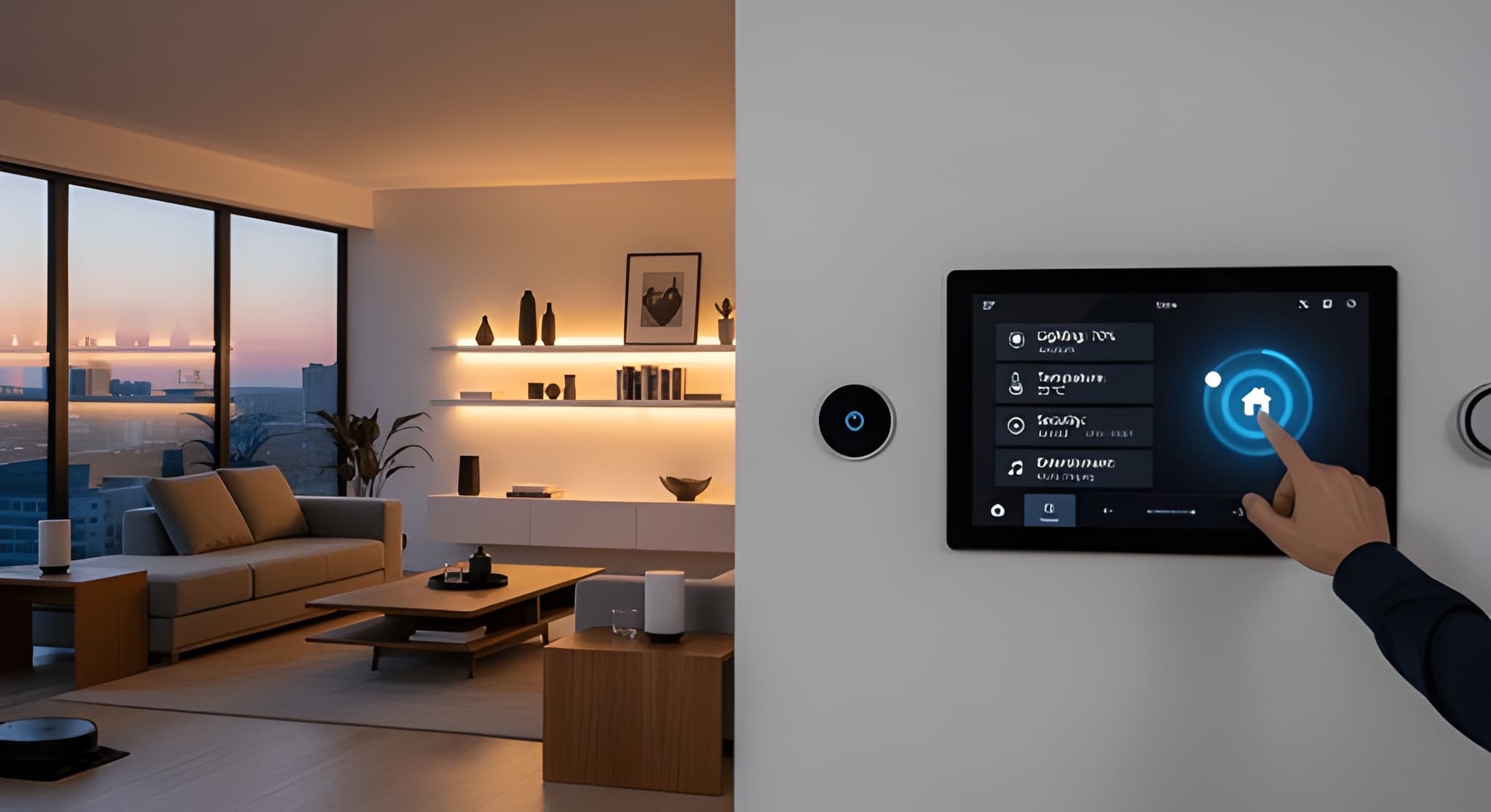
One of the biggest advantages of smart home integration is centralized control. Instead of using several separate apps for your cameras, locks, alarm system, and lighting, everything is brought together into a single platform.
With a unified interface, you can:
A) Arm or disarm your system remotely
B) Check live camera feeds
C) Lock or unlock doors
D) Control indoor and outdoor lights
E) Review system updates and activity logs
This streamlined experience makes it easier to manage your security without juggling multiple controls. Everything works in sync, reducing the chance of human error and improving overall protection.
2. Hands-Free Security With Voice Assistants
Voice assistants have become major players in smart home ecosystems. Whether it’s Alexa, Google Assistant, or Siri, you can use simple voice commands to control your security devices.
For example:
A) “Alexa, arm my home.”
B) “Hey Google, show me the backyard camera.”
C) “Siri, lock the front door.”
Voice commands make it easy to secure your home when you’re in a rush, your hands are full, or in moments when quick action is needed. In emergencies, this hands-free control can save precious seconds.
3. Automated Routines for Better Protection
Automation is one of the most powerful features of smart home integration. Automated routines ensure your home stays secure even if you forget something.
Popular routines include:
A) Geo-fencing: Your system arms automatically when your phone leaves the property.
B) Night mode: Doors lock automatically and security lights turn on at sunset.
C) Vacation mode: Indoor lights turn on and off randomly to mimic occupancy.
D) Door lock automation: If a door is left unlocked at night, the system auto-locks it.
These automated actions provide consistent protection while minimizing user oversight. Your system becomes proactive, not reactive.
4. Real-Time Alerts That Keep You Updated
Smart home integration greatly improves the quality and accuracy of your alerts. Because devices communicate with one another, your system sends smarter, more detailed notifications.
For instance:
A) A door opens → your camera automatically starts recording
B) Motion is detected → nearby lights switch on
C) Someone rings the doorbell → your smart lock offers the option to unlock from your phone
This interconnected activity gives you real-time insight into what’s happening around your home. Alerts become more meaningful and less likely to be false alarms.
5. Enhanced Surveillance Through Smart Cameras
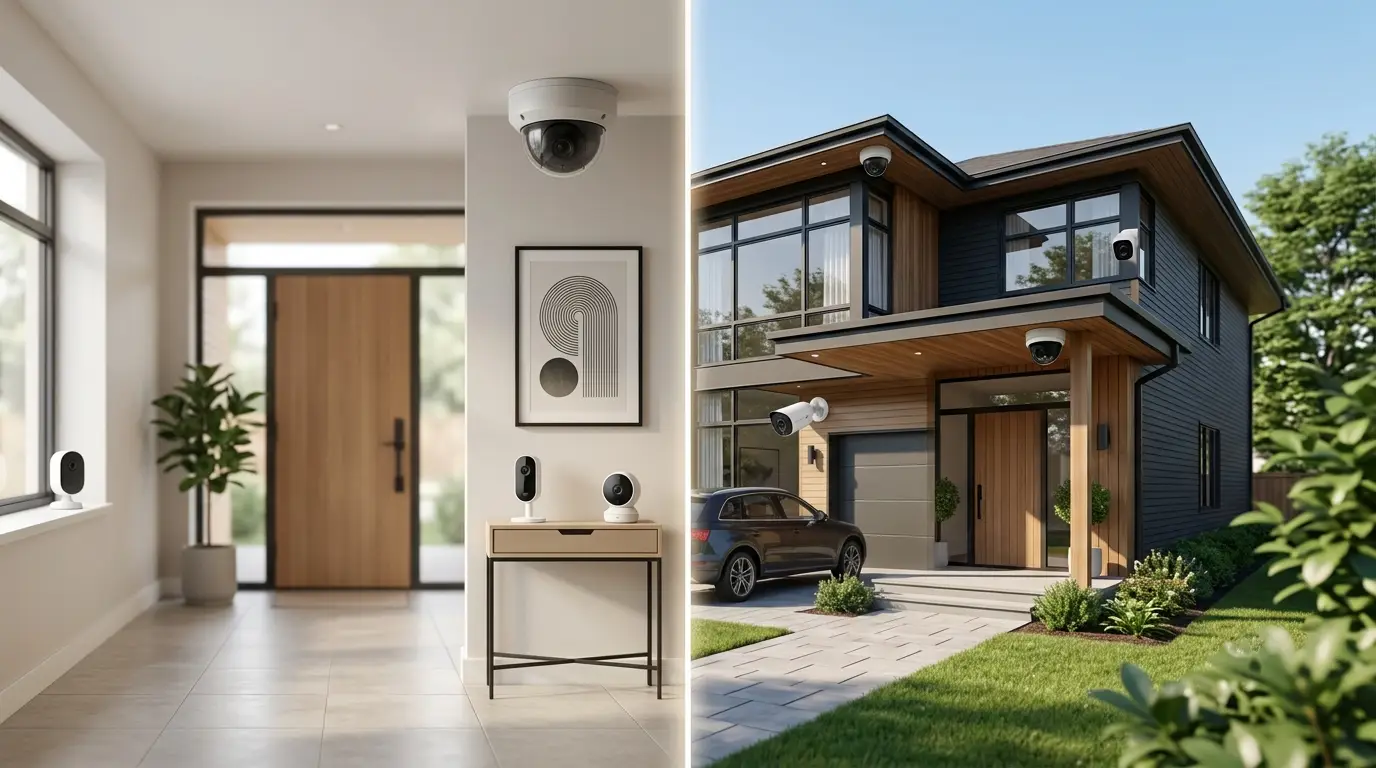
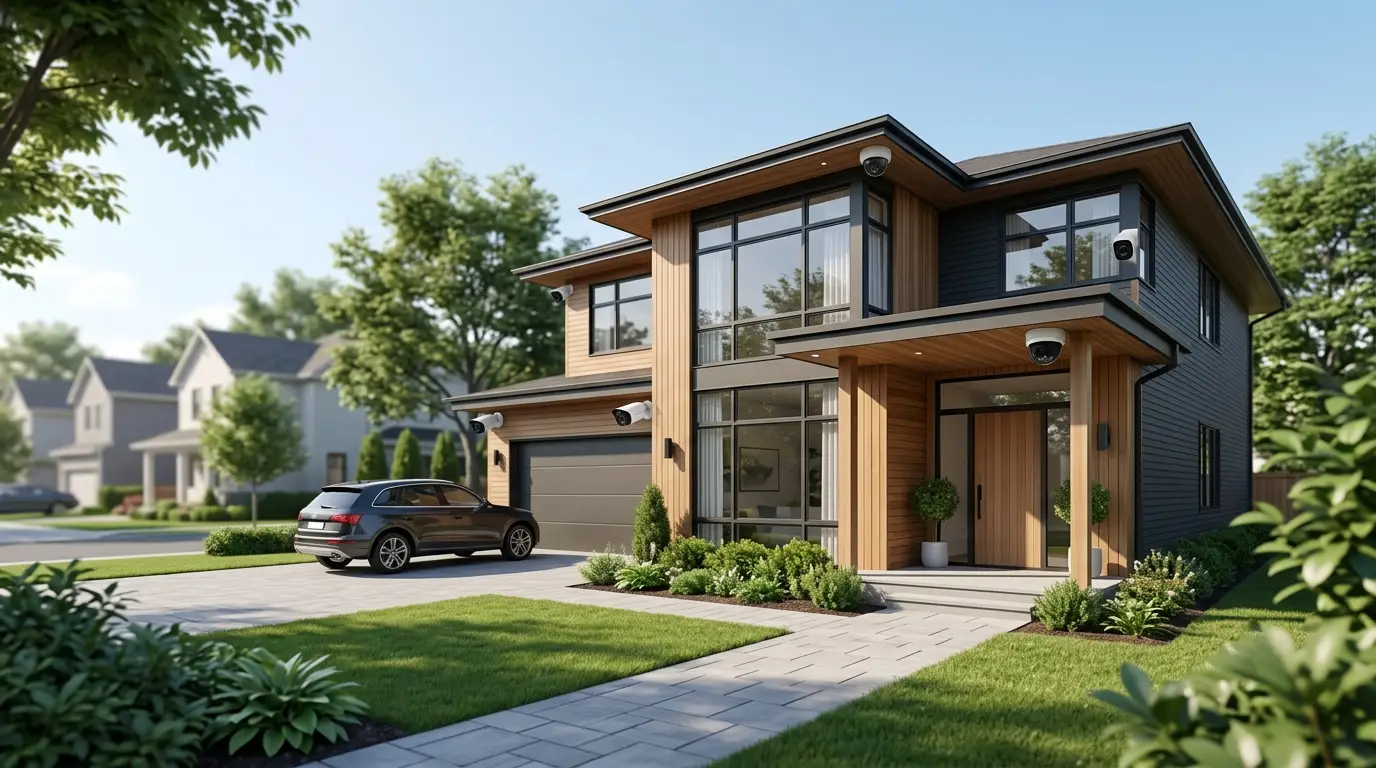
Security cameras play a crucial role in any home security setup. With smart home integration, cameras do much more than record - they collaborate with other devices to improve surveillance.
Smart cameras offer features like:
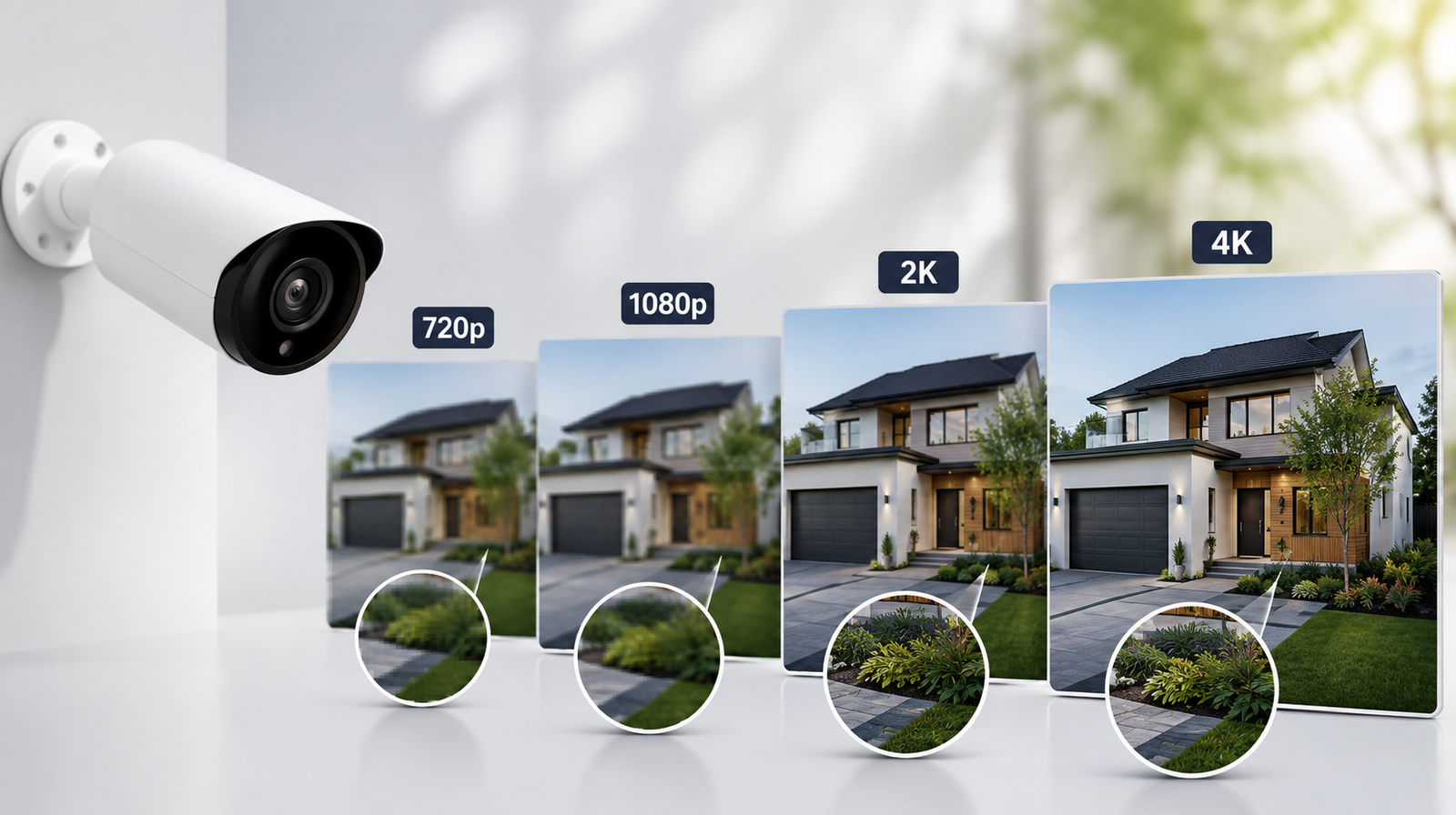
A) HD or 4K video quality
B) Color night vision
C) Two-way audio
D) Intelligent motion detection
E) Facial recognition
When paired with sensors and smart lighting, cameras become even more effective. Lights can activate when motion is detected, reducing blind spots and capturing clearer video. This creates a layered security approach that helps deter burglars and provides useful evidence if needed.
6. Access Control With Smart Locks
Smart locks bring convenience and protection together. When integrated with your security system, smart locks can:
A) Lock automatically based on a schedule
B) Unlock when your phone approaches
C) Send notifications when doors are opened
D) Allow guest access through temporary codes
For example, you can give a cleaner or dog walker a temporary access code and monitor their entry from your smartphone. No more hiding keys under mats or worrying about lost key copies.
Smart locks also work with video doorbells, allowing you to see who’s at your door and let them in instantly - even when you’re miles away.
7. Reduction of False Alarms
False alarms are common in basic security systems - often triggered by pets, wildlife, or harmless movement. Smart home integration helps reduce these false alarms using AI and device communication.
Here’s how:
A) Cameras analyze motion to distinguish people from animals
B) Sensors communicate before triggering alerts
C) Smart lighting helps cameras detect objects more clearly
This improved accuracy ensures fewer unnecessary notifications and a more reliable system overall.
8. Environmental Safety Features
Smart home integration goes beyond burglary protection. Modern systems can detect environmental threats such as:
A) Smoke
B) Carbon monoxide
C) Gas leaks
D) Water leaks
E) Sudden temperature changes
For example, if smoke is detected:
A) Smart thermostats automatically shut off HVAC systems
B) Smart lights turn on to guide you out
C) You receive instant alerts on your phone
These features add a crucial layer of safety that protects both your home and your family.
9. Remote Access for Anytime Protection
Whether you're traveling or at the office, smart home integration ensures you’re always in control. Remote access lets you:
A) Monitor live video feed
B) Check if doors are locked
C) Manage lighting
D) Receive alerts instantly
E) Arm or disarm your system from anywhere
This constant visibility gives you peace of mind and ensures your home is always protected - no matter where you are.
10. Expandability for Future Needs
One of the best things about integrated systems is that they grow with you. Need more cameras? Add them. Want to integrate smart blinds, thermostats, or sensors? Just connect and go.
This scalability ensures your security setup remains modern, effective, and tailored to your lifestyle.
Conclusion
Smart home integration has revolutionized home security. By allowing your devices to communicate and work together, integration strengthens every layer of your protection - from cameras and sensors to locks and lighting.
Automation reduces human error, voice commands make security more convenient, and real-time alerts keep you informed of everything happening inside and outside your home. Combined, these features create a powerful, proactive security system that adapts to your needs and enhances your peace of mind.
As technology continues to evolve, integrated home security will only become smarter and more essential. If you want a system that’s efficient, reliable, and future-ready, smart home integration is the way to go.
FAQs
Q. What is smart home integration in security systems?
It refers to connecting your security devices - like cameras, locks, and sensors - with smart home devices so they work together through one platform.
Q. Does smart home integration reduce false alarms?
Yes. Smart sensors and AI detection help differentiate between real threats and non-threats like pets or harmless movement.
Q. Can I control my security system remotely?
Absolutely. Most integrated systems offer mobile app control, allowing you to monitor and manage your home from anywhere.
Q. Do I need Wi-Fi for an integrated security system?
Yes, most systems require Wi-Fi for real-time updates and remote access. However, many offer cellular backup for added reliability.
Q. Are smart locks secure enough for home protection?
Yes. Smart locks use encrypted technology, temporary access codes, and integration with cameras and alarms to increase overall security.