

In today’s world, home security is more than just a precaution - it’s a necessity. With rising concerns about theft, intrusion, and even digital security, a modern home security system can bring peace of mind like never before. But not all systems are created equal.
From smart integration to 24/7 monitoring, today’s systems are more advanced, intelligent, and user-friendly. Whether you’re a homeowner or a renter, understanding what makes a great security system can help you make the right investment. So, let’s explore the 10 essential features you should look for when choosing your ideal home security solution.
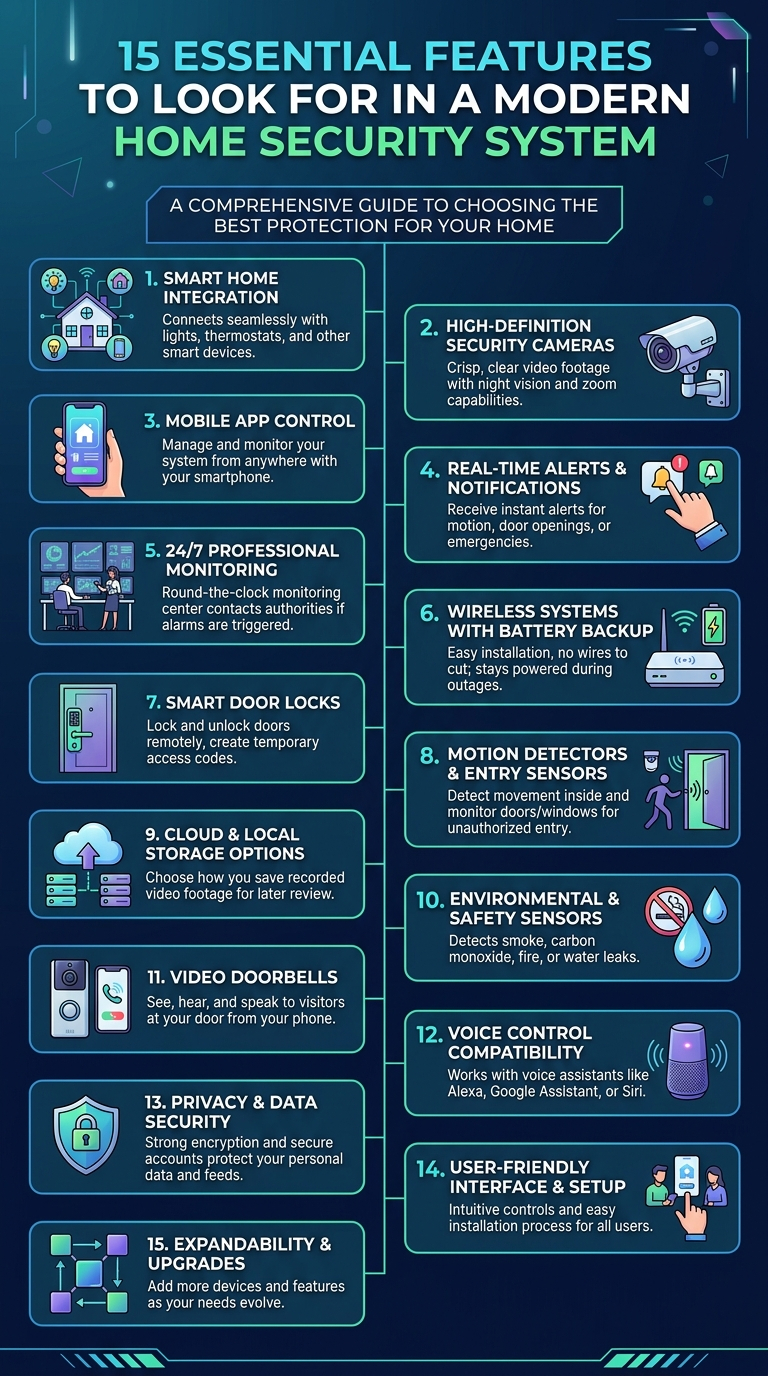
Essential Features in a Modern Home Security System
1. Smart Home Integration
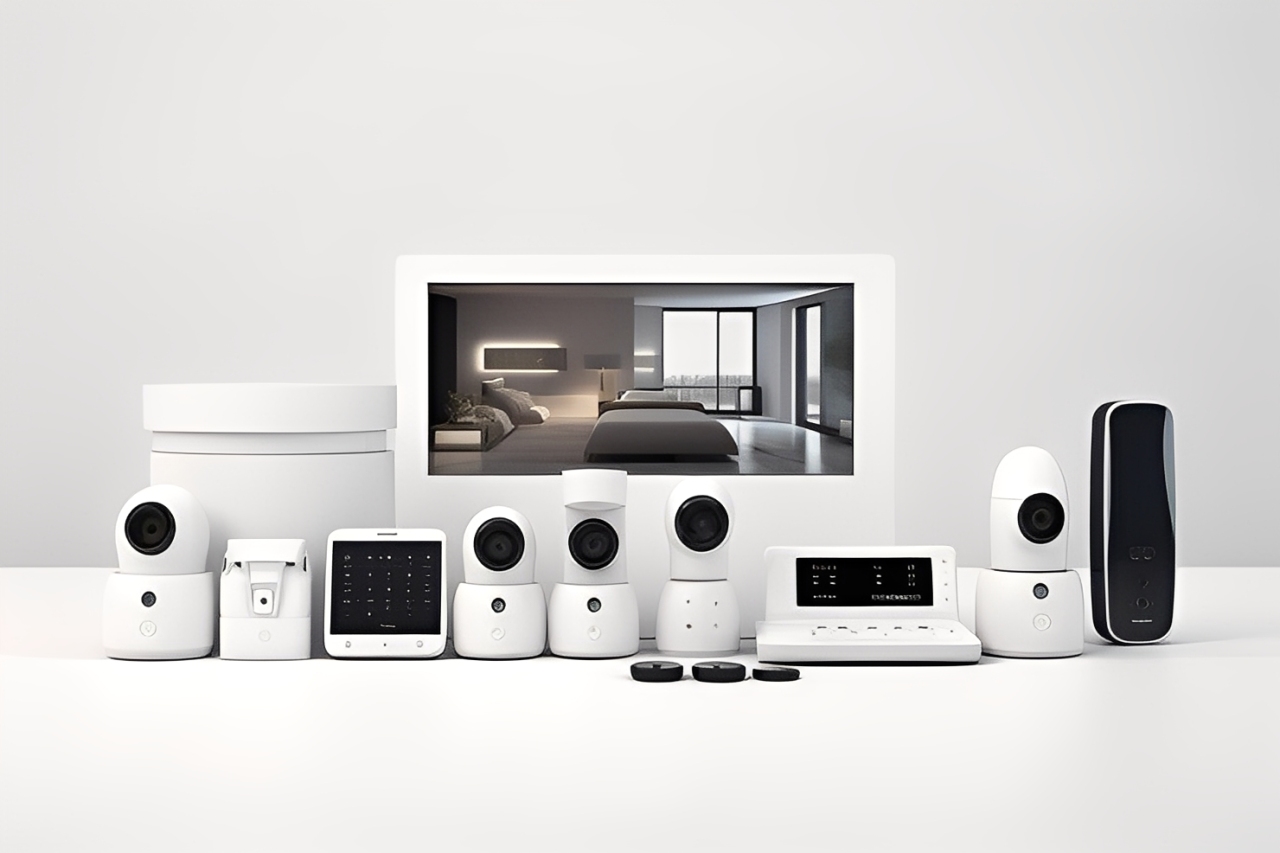
One of the hallmarks of a modern home security system is smart home integration. This allows your system to connect seamlessly with devices like Amazon Alexa, Google Assistant, and Apple HomeKit.
With this feature, you can control lights, locks, and even thermostats with a simple voice command or through your smartphone. Imagine saying, “Hey Google, arm my security system,” and knowing your home is protected instantly.
Integration also means your system can coordinate with smart cameras, video doorbells, and even smart smoke detectors creating a unified network that keeps your home safe and convenient.
2. High-Definition Security Cameras
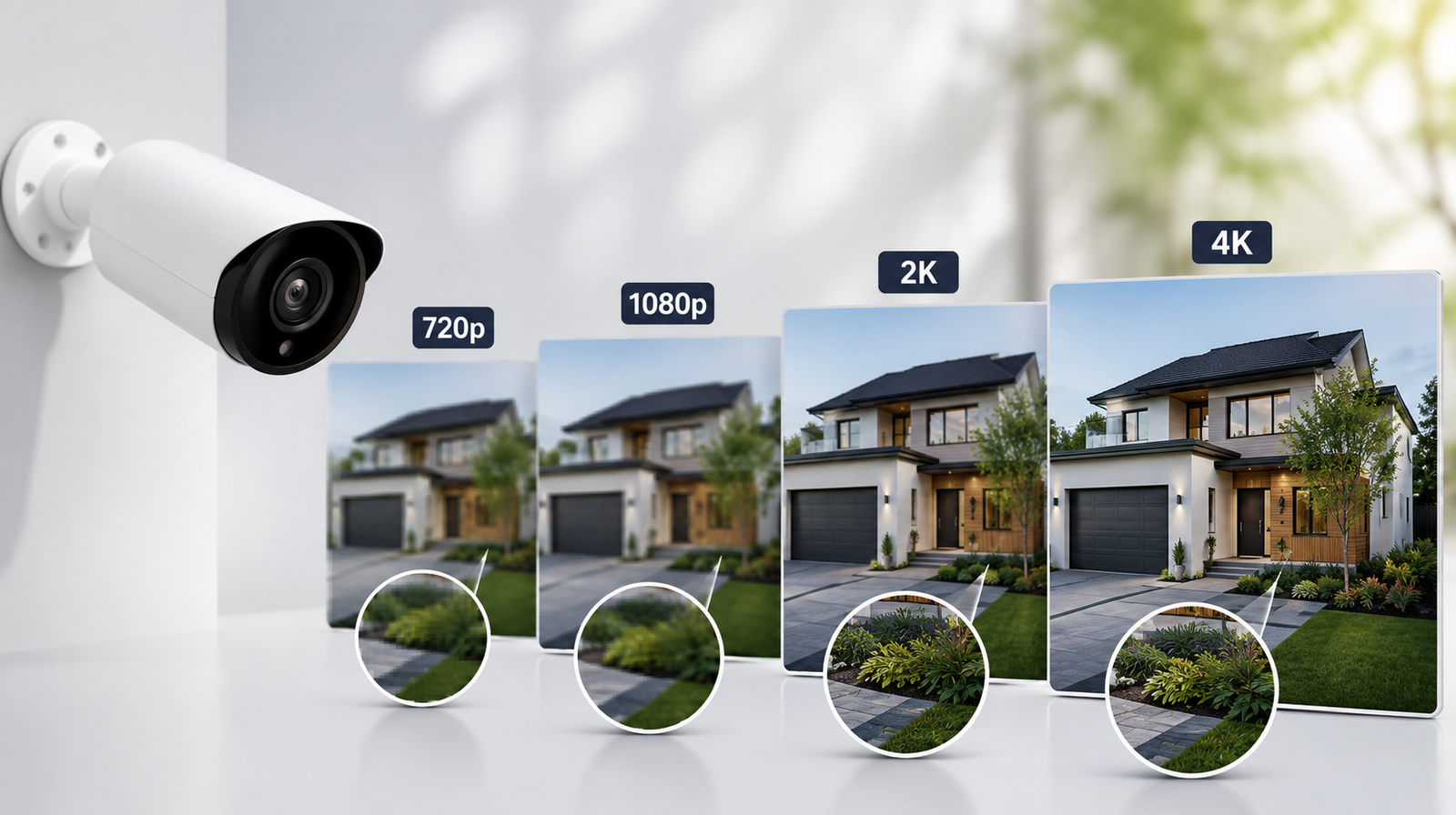
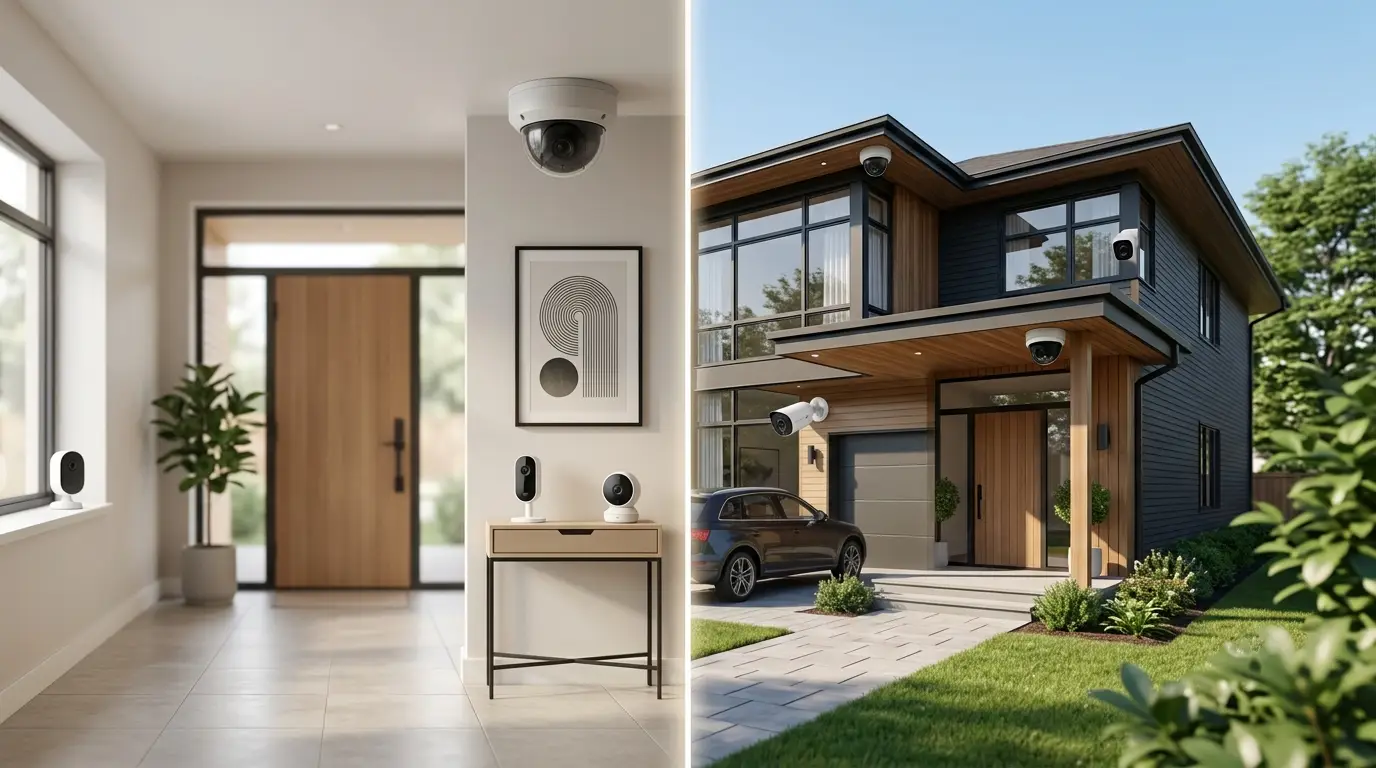
When it comes to surveillance, clarity is crucial. Look for HD or 4K resolution cameras with wide-angle lenses to capture clear footage of your property. Some advanced models even include color night vision, AI motion detection, and facial recognition capabilities.
The difference between a vague shadow and a clear face can be vital during an investigation. And with two-way audio, you can communicate with visitors (or deter intruders) directly through your camera feed.
Modern cameras also support cloud recording, ensuring you never lose important footage due to local storage failures.
3. Mobile App Control
Gone are the days of being tethered to a control panel. Modern systems come with intuitive mobile apps that let you monitor and manage your home from anywhere.
You can:
1. Arm or disarm your system remotely
2. View live camera feeds
3. Get instant alerts for any unusual activity
4. Control connected devices
Whether you’re at work or traveling, mobile control puts home security at your fingertips literally.
4. Real-Time Alerts and Smart Notifications
Instant alerts make all the difference when it comes to safety. A modern system should notify you the moment something unusual occurs - a door opens unexpectedly, motion is detected, or an alarm is triggered.
Advanced systems even use AI-based algorithms to reduce false alarms caused by pets or passing cars. You can customize notifications, deciding when and how you want to be alerted - by text, email, or push notification. This real-time feedback keeps you in control and helps ensure that you’re the first to know, not the last.
5. 24/7 Professional Monitoring
While DIY monitoring can work for some, professional monitoring takes security to another level. Trained professionals watch over your home around the clock and can dispatch emergency services in seconds if an alarm goes off.
This feature is especially valuable if you’re away from home often or can’t respond immediately to alerts. Most modern services now offer dual communication channels, meaning your monitoring system stays active even if Wi-Fi fails - ensuring uninterrupted protection.
6. Wireless Systems with Battery Backup
Wireless systems are becoming the standard - and for good reason. They’re easier to install, more flexible, and harder to disable since there are no exposed wires.
Moreover, a good system should include battery backup, so even during power outages, your home remains protected. Pair that with cellular connectivity (instead of relying solely on Wi-Fi), and you have a system that’s nearly impossible to take offline.
7. Smart Door Locks
Lost keys are a thing of the past with smart locks. You can lock or unlock doors remotely, set temporary access codes for guests, and even receive alerts whenever someone enters.
Some systems integrate with your doorbell camera, letting you see who’s at the door and unlock it instantly from your phone. It’s the perfect combination of security and convenience, giving you full control over who comes and goes. Motion sensors detect movement in restricted areas, while door/window sensors trigger alerts if someone tries to open them. Many newer models also use infrared or radar technology to differentiate between humans, pets, and other movements reducing false alarms.
8. Motion Detectors and Entry Sensors
No security setup is complete without motion detectors and entry sensors. These components form the first line of defense against intruders.
Motion sensors detect movement in restricted areas, while door/window sensors trigger alerts if someone tries to open them. Many newer models also use infrared or radar technology to differentiate between humans, pets, and other movements - reducing false alarms.
9. Cloud and Local Storage Options
Video storage is vital when incidents occur. Opt for systems that offer secure cloud storage so footage can’t be lost or tampered with. Cloud options allow you to access recordings anytime, from anywhere.
At the same time, having a local backup such as a microSD card or network video recorder (NVR) ensures redundancy. In case of internet outages or server issues, your footage stays safe and accessible.
10. Environmental and Safety Sensors
A complete home security system should do more than protect against burglars - it should also safeguard against environmental threats.
Smoke detectors, carbon monoxide sensors, flood detectors, and temperature monitors all play a critical role in protecting your property. For example, an early warning of a gas leak or water overflow can save thousands in damages and, more importantly, save lives.
11. Video Doorbells
While not always included, video doorbells are becoming a must-have. They let you see, hear, and talk to visitors without opening the door.
Whether you’re expecting a delivery or away from home, a quick glance at your phone lets you know who’s knocking. Many doorbells also record automatically when motion is detected, adding an extra layer of surveillance to your entryway.
12. Voice Control Compatibility
Convenience meets innovation with voice-controlled security systems. Whether you’re heading to bed or leaving the house, you can say simple commands like “Arm my system” or “Show me the front door camera.”
This hands-free experience makes home protection effortless - perfect for busy households or tech enthusiasts who value simplicity and speed.
13. Privacy and Data Security
Since modern systems are connected to the internet, data privacy is a serious concern. Make sure your provider offers end-to-end encryption, two-factor authentication, and secure cloud protocols to prevent unauthorized access.
Always check for transparent privacy policies to ensure your video feeds and personal data remain confidential.
14. User-Friendly Interface and Setup
An effective system shouldn’t require a degree in tech to operate. Look for systems that are easy to set up and navigate, with intuitive mobile and desktop interfaces.
A user-friendly experience ensures you actually use your system to its full potential - rather than avoiding it due to complexity.
15. Expandability and Upgrades
Your home security needs may grow over time. Choose a system that allows modular expansion, such as adding more cameras, sensors, or smart devices.
This flexibility ensures your security setup evolves with your lifestyle, home size, and budget - keeping you protected now and in the future.
Conclusion
Choosing the right home security system is about balancing technology, convenience, and reliability. A modern system should do more than deter intruders - it should connect your home, simplify your life, and protect you from both external and internal threats.
From smart integrations and HD cameras to environmental sensors and professional monitoring, the best systems combine these essential features for complete peace of mind.
When you invest in a system with these 10 (or more) essential features, you’re not just protecting your property - you’re protecting your family, memories, and future.
FAQs
Q. What is the most important feature in a home security system?
The most crucial feature is real-time alerts with professional monitoring, ensuring immediate action during emergencies.
Q. Can I install a modern home security system myself?
Absolutely. Many top brands now offer DIY installation kits that are easy to set up without any professional help.
Q. Do smart home security systems require Wi-Fi?
Most rely on Wi-Fi for real-time notifications and remote control, but many offer cellular backup to stay active even if the internet fails.
Q. How can I prevent my wireless security system from being hacked?
Choose systems with end-to-end encryption, update your passwords regularly, and use two-factor authentication for maximum safety.
Q. How much should I expect to spend on a reliable system?
You can expect to spend around $250–$700 upfront, plus optional monthly fees for cloud storage or professional monitoring.