

Renting a home comes with plenty of advantages. There is less maintenance, more flexibility, and the freedom to move when life changes. But when it comes to home security, renters often face a unique challenge: how do you protect your space without making permanent modifications?
The good news is that modern wireless home security systems are designed with renters in mind. Today's systems are easy to install, simple to remove, and powerful enough to deliver the same level of protection that homeowners enjoy.
Whether you live in an apartment, condo, townhouse, or multi-family property, wireless security gives you the flexibility you need without sacrificing safety.
Why Renters Need Home Security
Many renters assume their building's security features are enough. While gated entrances, security guards, and shared access points can help, they do not eliminate risk.
Common concerns for renters include:
- Package theft
- Unauthorized entry
- Break-ins through doors or windows
- Lost or copied keys
- Parking lot incidents
- Limited visibility around shared spaces
A reliable security system adds an extra layer of protection and provides peace of mind when you are home or away.
Why Wireless Security Systems Are Ideal for Renters
Traditional wired systems often require drilling, professional installation, and long-term contracts. That is not ideal when you are renting.
Wireless systems offer several advantages.
◉ Easy Installation
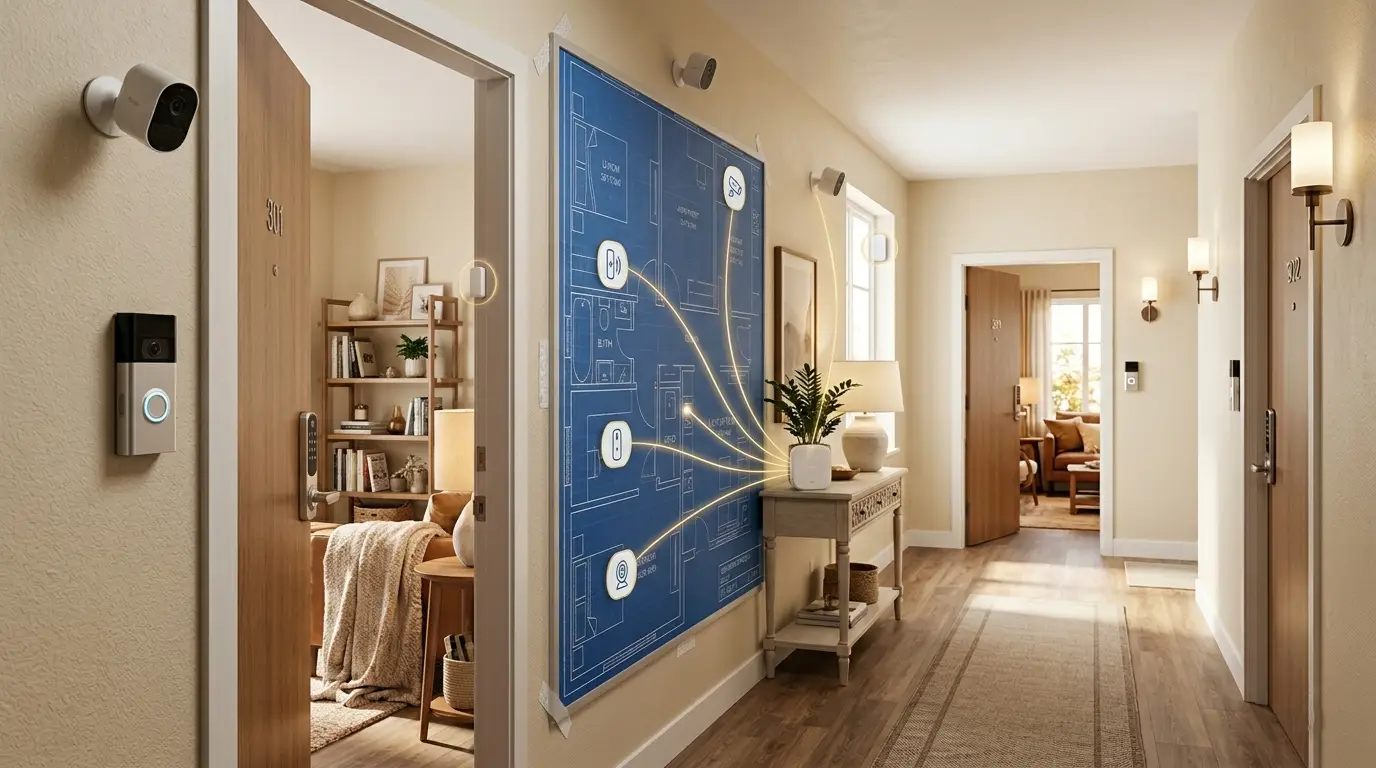
Most devices use adhesive strips, battery power, or simple mounting brackets. You can install sensors and cameras in minutes without damaging walls.
◉ Portability
Moving to a new apartment? Simply pack your equipment and take it with you.
◉ No Long-Term Contracts
Many wireless providers offer month-to-month monitoring plans or self-monitoring options.
◉ Smart Home Integration
Modern systems connect to mobile apps, voice assistants, and smart home devices for seamless control.
◉ Cost-Effective Protection
Wireless systems typically have lower upfront costs and eliminate expensive installation fees.
Key Features Renters Should Look For
Not every security system is renter-friendly. Focus on features that balance protection with flexibility.
◉ Wireless Entry Sensors
Door and window sensors are the foundation of any security setup.
They alert you when an entry point opens unexpectedly and can be installed without tools
◉ Motion Detectors
Motion sensors add another layer of protection by detecting movement inside your home.
Look for pet-friendly models if you have animals.
◉ Indoor Cameras
Indoor cameras allow you to monitor your space remotely and review footage if something happens.
Features to prioritize include:
- Night vision
- Two-way audio
- Motion alerts
- Cloud or local storage
◉ Video Doorbells
Video doorbells help monitor visitors and deliveries.
Before installing one, check your lease agreement or ask your landlord for approval.
◉ Mobile App Control
Your smartphone should allow you to:
- Arm and disarm the system
- Receive instant notifications
- View live video feeds
- Manage user access
◉ Battery Backup
Power outages can happen unexpectedly. Battery backup ensures your system continues operating when the electricity goes out.
Top Wireless Home Security Systems for Renters
Not every renter has the same needs. Some prioritize professional monitoring, while others want smart home automation or flexible equipment options.
Here are some of the most popular options for renters.
Vivint
Vivint is a premium choice for renters who want advanced smart home features and professionally installed equipment.
Key Benefits
- Advanced smart home integration
- AI-powered security cameras
- Remote access through a user-friendly mobile app
- Professional monitoring available 24/7
- Smart locks, thermostats, and lighting controls
Things to Consider
- Higher upfront costs than many DIY systems
- Professional installation is typically required
- Long-term contracts may apply
Vivint is ideal for renters planning to stay in one place for several years and looking for a fully connected smart home experience.
ADT
ADT is one of the most established names in home security and offers a wide range of equipment and monitoring options.
Key Benefits
- Professional monitoring with rapid emergency response
- Extensive equipment selection
- Mobile app control and smart home compatibility
- Indoor and outdoor cameras, video doorbells, and smart locks
- Nationwide support network
Things to Consider
- Monthly monitoring fees can be higher than DIY alternatives
- Some plans require contracts
- Professional installation may increase initial costs
ADT works well for renters who value brand reputation, reliable monitoring, and comprehensive security coverage.
Brinks Home
Brinks Home combines professional monitoring with flexible equipment options, making it a strong choice for renters seeking dependable protection.
Key Benefits
- 24/7 professional monitoring
- Wireless equipment that can move with you
- Mobile app access and instant alerts
- Smart home integrations available
- User-friendly control panel
Things to Consider
- Contract terms may apply depending on the package
- Professional installation fees may vary
- Advanced features can increase monthly costs
Brinks Home is a good fit for renters who want professionally monitored security without managing the system themselves.
SimpliSafe
SimpliSafe is known for its flexibility and easy setup.
Key benefits include:
- No contracts required
- DIY installation
- Professional and self-monitoring options
- Wide range of sensors and cameras
It is an excellent choice for renters who want customization without commitment.
Self-Monitoring vs Professional Monitoring
One of the biggest decisions renters face is choosing between self-monitoring and professional monitoring.
Self-Monitoring
With self-monitoring, alerts go directly to your smartphone.
Pros:
- No monthly fees
- Complete control
- Flexible setup
Cons:
- You must respond to alerts yourself
- No backup support during emergencies
Professional Monitoring
Professional monitoring centers watch your system around the clock.
Pros:
- Emergency dispatch support
- Continuous monitoring
- Added peace of mind
Cons:
- Monthly subscription costs
- Possible contract requirements with some providers
Choose the option that fits your lifestyle and budget.
Tips for Securing a Rental Property
A security system works best when combined with smart habits.
Consider these additional steps:
- Always lock doors and windows
- Use smart locks when permitted
- Avoid hiding spare keys outside
- Keep valuables out of sight
- Secure your Wi-Fi network
- Enable two-factor authentication
- Build relationships with neighbors
Security is strongest when technology and awareness work together.
Common Mistakes Renters Should Avoid
Avoid these common security oversights.
◉ Ignoring Lease Restrictions
Review your lease before installing cameras or smart locks.
◉ Overlooking Shared Spaces
Hallways, mailrooms, and parking areas can create vulnerabilities.
◉ Choosing the Cheapest Option
Low-cost systems may lack important features like battery backup or reliable alerts.
◉ Forgetting to Test Equipment
Check sensors, batteries, and notifications regularly.
◉ Skipping Cybersecurity
Smart security devices are only as secure as your network.
Use strong passwords and keep software updated.
How Much Should Renters Spend?
You do not need to spend thousands to secure your rental.
A basic setup may include:
- One control hub
- Two or three entry sensors
- One motion detector
- One indoor camera
This type of setup often provides effective protection without stretching your budget.
Start small and add devices over time as your needs change.
The Future of Rental Security
Wireless security technology continues to evolve.
Emerging features include:
- AI-powered threat detection
- Smarter package monitoring
- Enhanced facial recognition
- Improved battery life
- More flexible subscription plans
As technology advances, renters will have access to even more powerful and affordable security solutions.
Conclusion
Renters no longer have to choose between flexibility and protection. Wireless home security systems make it possible to secure your space without drilling holes, signing lengthy contracts, or sacrificing convenience.
The best system is one that fits your lifestyle, budget, and living situation. Focus on the essentials, prioritize portability, and choose a solution that can move with you when life changes.
Because whether you rent a studio apartment or a large townhouse, peace of mind should always feel like home.
FAQs
Q. Are wireless security systems allowed in rental properties?
In most cases, yes. However, you should review your lease agreement and check with your landlord before installing devices like cameras or smart locks.
Q. Can I install a security system without drilling holes?
Yes. Most renter-friendly systems use adhesive strips and battery-powered devices that require no permanent modifications.
Q. Do wireless security systems work during power outages?
Many systems include battery backup to keep essential functions running during outages.
Q. What is the best security option for renters on a budget?
DIY systems with self-monitoring, entry sensors, and one indoor camera offer affordable protection.
Q. Can I take my security system with me when I move?
Yes. One of the biggest advantages of wireless systems is portability. Most devices can be removed easily and reinstalled in your new home.